Sexual Assault: A Difficult Conversation We Need to Have
Trigger Warning: This article discusses sexual assault and trauma, which may be distressing for some readers. Please read with care and consider your own emotional well-being.
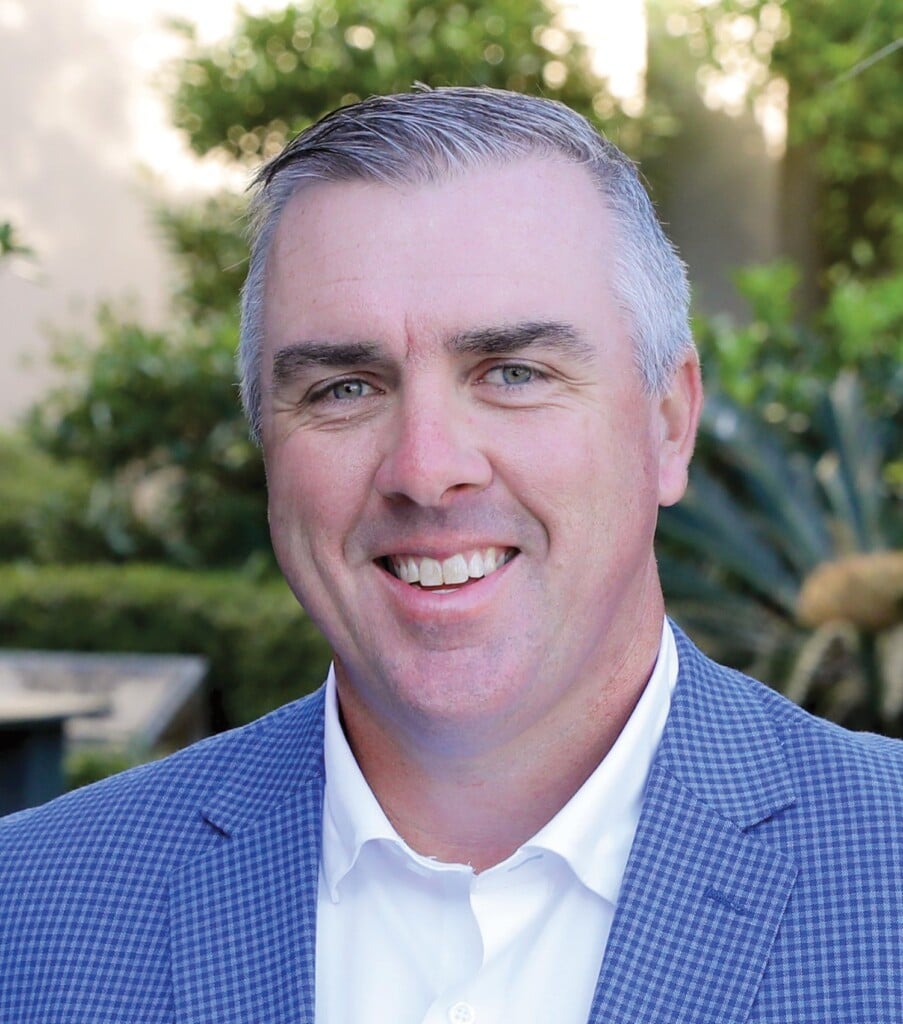
By Lindsey Dykes, LCSW, Therapist at Evoke Mind and Body
Sexual assault is defined as any involuntary, non-consensual sexual act or contact directed against another person. Simply put, if it’s not an enthusiastic “yes” to intimate physical contact or if fear is present, consent has not been given.
The difficult truth is that most of us either have been impacted by sexual assault or know someone who has. Yet, the way sexual assault is often portrayed in mainstream media – a stranger in a dark alley – does not reflect reality. In fact, the vast majority of assaults (an estimated 80–90%) are committed by someone the survivor knows.
Reclaiming Autonomy and Empowerment
At its core, sexual assault is a violation of autonomy. Because of this, healing often centers on reclaiming a sense of control, choice, and ownership over one’s body and life. This process doesn’t have to begin with grand gestures. More often, it starts with small, intentional steps: setting boundaries, saying “no” without explanation, or making choices that prioritize personal comfort and safety. These moments, though seemingly simple, are powerful – they help rebuild trust within oneself. For some survivors, empowerment may involve reconnecting with their bodies in a safe and supportive way through movement, mindfulness, or tuning into internal cues. For others, it may mean redefining their identity beyond the trauma and recognizing that their experience does not determine their worth.
There is no single path to empowerment. As providers, our role is to support survivors in discovering what it looks like for each individual – and to remind them that healing happens on their own timeline. It’s not about returning to who they were before; it’s about creating a life that feels safe, meaningful, and fully their own.
Why Many Survivors Don’t Report
One of the most misunderstood aspects of sexual assault is why many survivors choose not to report their experiences. The reality is complex, and the reasons are deeply valid. Fear is often central – fear of not being believed, of being blamed, or of retaliation, especially when the perpetrator is someone the survivor knows or depends on. Reporting can also carry concerns about how it may affect relationships, careers, or standing within a family or community.
Internal barriers can be just as powerful. When an experience doesn’t match the “typical” narrative, survivors may question themselves: Was it really assault? Am I overreacting? Shame and guilt – though undeserved – can further silence survivors.
Additionally, the legal process itself can feel overwhelming and retraumatizing. The prospect of retelling the experience multiple times, navigating a complex system, or facing disbelief can deter many from coming forward.
Perhaps it’s time we shift the question. Instead of asking, “Why didn’t they report?” we should ask, “What made it difficult – or unsafe – for them to report?” Approaching the topic with curiosity and compassion creates space for understanding rather than judgment.
Healing After Trauma
Healing begins with a fundamental truth: you are more than what happened to you. Survivors are not broken or damaged. They have experienced a violation, and the symptoms that may follow – such as hypervigilance, isolation, self-doubt, disconnection, or flashbacks – are natural responses to trauma.
The first step in healing is creating a sense of safety. From there, recovery grows through connection – finding trusted support in friends, family, therapists, support groups, or faith communities. Healing also involves rediscovering one’s voice, and for some, advocating for justice or change. There is no “right” way to heal – only the way that feels right for you.
How We Can Support Survivors
 If someone shares their experience with you, start with one essential step: believe them. Despite growing awareness, victim-blaming culture still persists. Many survivors carry their experiences in silence, weighed down by shame and misplaced guilt. It is our responsibility as individuals and as a community to shift that burden back where it belongs: on the perpetrator.
We must change the narrative. Sexual assault does not occur because of what someone wore, said, or did. It happens because someone chose to violate another person’s boundaries and autonomy. Believing survivors, listening without judgment, and offering support are powerful acts. Together, we can help create a culture where survivors feel seen, heard, and supported, and where accountability is no longer avoided but expected.
If you or someone you know needs support, reach out to Evoke Mind and Body at
(910)-833-7122, the National Sexual Assault Hotline at 1-800-656-4673, or another trusted
individual.